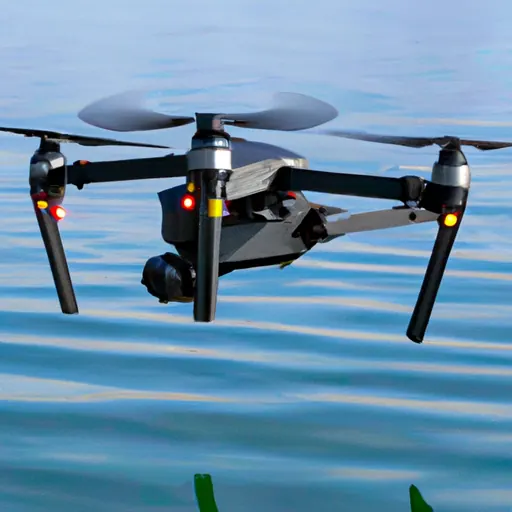
Short answer: yes, anglers use drones to scout water and to carry bait or a line beyond casting range, especially surf fishing. But state fishing laws vary, and FAA drone rules still apply. Check both before you try it.
How drones are used for fishing
- Scouting: spotting bait schools, structure, rips and drop-offs from above.
- Bait delivery: a release mechanism carries the line out and drops the bait.
- Filming: capturing the fight and the catch.
Choosing a fishing drone
- Payload capacity for your bait and rig.
- A payload release built in or as an approved accessory.
- Water resistance: salt spray kills ordinary drones. See waterproof drones.
- Wind resistance: coastlines are windy.
- US availability: new foreign-made models can’t be FCC-authorized since December 2025 (FCC FAQ).
The rules
FAA
- Drones of 250 g or more must be registered (FAA); most fishing drones are much heavier and need Remote ID.
- Recreational flyers need the free TRUST certificate and must keep the drone in sight. See Drone Rules.
- Part 107 says you may not drop an object from a drone in a way that creates undue hazard to people or property (14 CFR 107.23). Recreational flyers should follow their community-based organization’s safety guidelines on payloads.
- If you’re guiding clients or selling footage, that’s work, and you need Part 107.
State and local rules
Some states restrict using drones to locate, harass or take fish and wildlife, and parks and beaches often have their own drone rules. Check your state fish and wildlife agency’s regulations, and any park or beach rules, before fishing with a drone.
Safety tips
- Don’t fly over swimmers or other anglers.
- Release the bait before a fish strikes. Never fight a fish with the drone.
- Land with a good battery margin; recovering a drone from surf is hard.
Related: flying in rain · what drones are used for