Based on FAA guidance and 14 CFR 107.29, linked below.
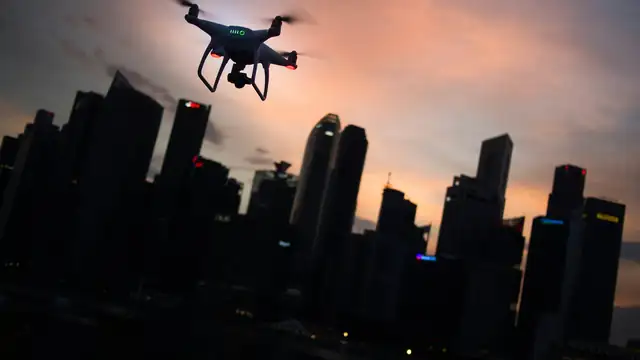
Yes, you can legally fly a drone at night in the US, but the requirements depend on whether you fly for fun or under Part 107, and night flying adds real risks for beginners. Here’s what the rules say and how to fly more safely.
The rules
Recreational flyers
The FAA says recreational flyers flying at night must follow a community-based organization’s safety guidelines that include night procedures and required lighting (FAA Getting Started). All the usual rules still apply: visual line of sight, 400 feet or lower in Class G airspace, and authorization in controlled airspace.
Part 107 pilots
Under 14 CFR 107.29, night flights are allowed without a waiver if:
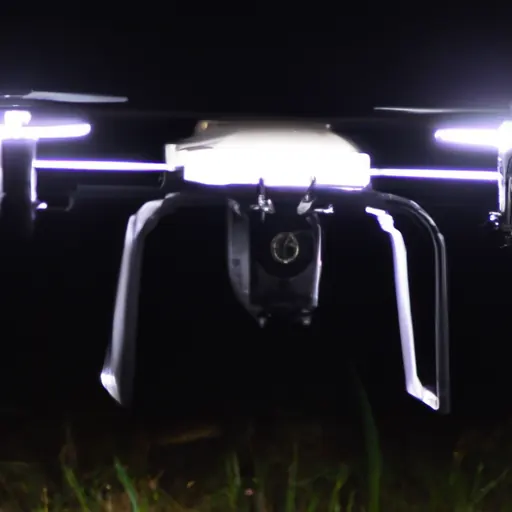
- the drone has anti-collision lighting visible for at least 3 statute miles with a flash rate sufficient to avoid a collision, and it’s turned on; and
- the pilot has completed the current knowledge test or recurrent training that covers night operations.
The same lighting is required during civil twilight (about 30 minutes before sunrise and after sunset). Airspace authorization is still required at night in controlled airspace (FAA).
Why night flying is harder
- Depth and orientation: at night you mostly see lights, so it’s hard to judge distance and which way the drone is facing.
- Hidden obstacles: trees, wires and poles disappear. Obstacle sensors on many consumer drones work poorly in the dark.
- Night illusions: staring at a single light against a dark sky can make it seem to move (autokinesis), a well-known aviation effect.
- Camera limits: small sensors produce noisy footage in low light.
A beginner’s night-flight checklist
- Get comfortable flying in daylight first, ideally in the same spot.
- Scout the area in daylight for wires, trees and other obstacles, and pick a clear takeoff and landing area.
- Check the airspace and TFRs with a B4UFLY app and get LAANC authorization if needed.
- Add proper lighting. Use a strobe that meets the 3-mile standard if you fly under Part 107, and lights that show orientation for recreational flying.
- Set return-to-home altitude above the tallest obstacles.
- Keep flights short and close, and carry a flashlight for the landing zone.
Related guides
- Drone Rules & Registration hub
- US Drone Rules in Plain English
- How to Avoid Drone Crashes
- Part 107 hub