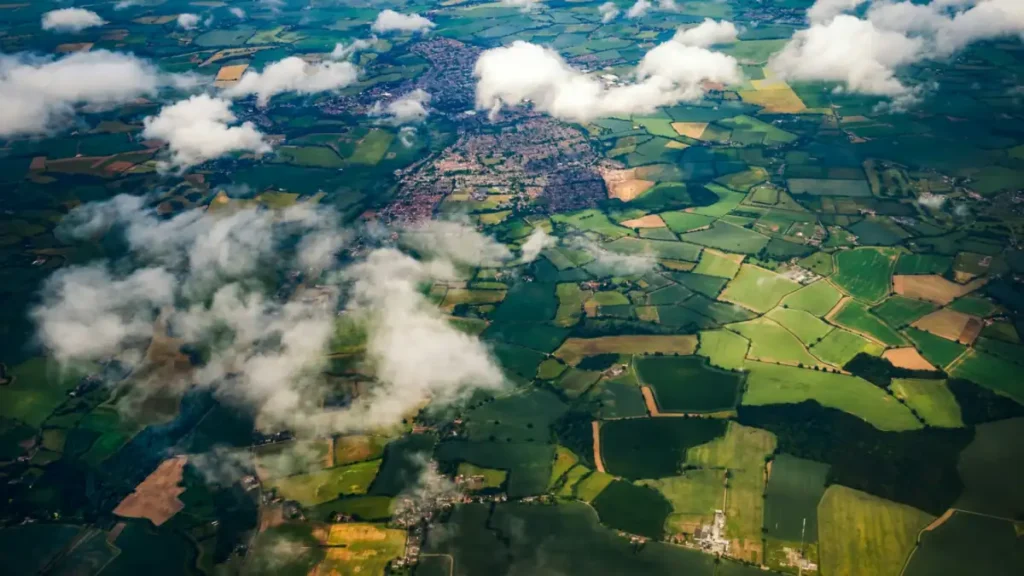
Good drone photos come from light, composition and a few camera settings, not the most expensive drone. These tips work on any camera drone, from a DJI Mini to a Potensic Atom.
1. Shoot in good light
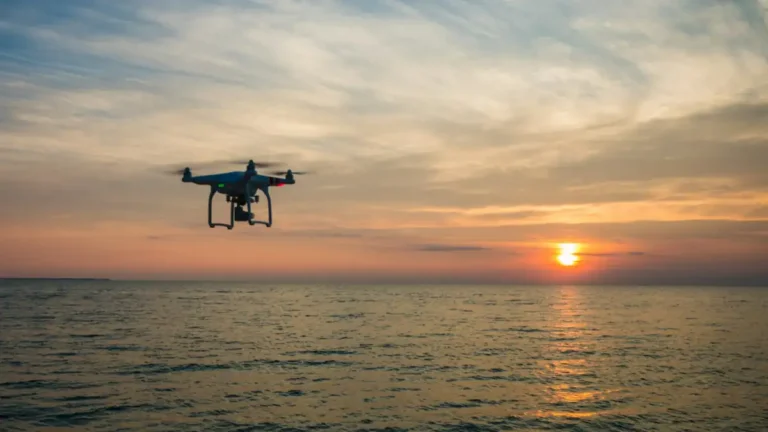
- Golden hour (around sunrise and sunset) gives long shadows and warm color.
- Blue hour just after sunset is great for city lights. Remember any flying after civil twilight needs proper lighting (night flying).
- Midday light is harsh but works for top-down shots of water and patterns.
2. Compose for the aerial view
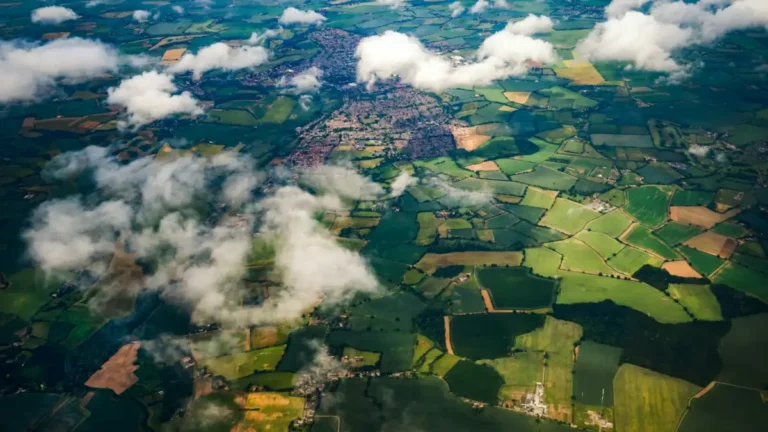
- Look straight down (90° gimbal) for patterns: fields, roads, beaches, parking lots.
- Use leading lines like roads, rivers and coastlines.
- Don’t always go to 400 ft. Many of the best shots are 50–150 ft up, where subjects still have scale.
- Include a subject (a person, car or boat) for scale.
- Use the rule of thirds; turn on grid lines in your app.
3. Camera settings
| Setting | Suggestion |
|---|---|
| Photo format | RAW (DNG) + JPEG for maximum editing flexibility |
| ISO | As low as possible (often 100) to reduce noise |
| Exposure | Watch the histogram; avoid blown-out skies |
| AEB / bracketing | For high-contrast scenes, blend later (HDR) |
| Video shutter | About double the frame rate (e.g. 1/60 s at 30 fps); use ND filters in bright light |
| Color profile | Normal for beginners; Log/HLG only if you’ll color-grade |
4. Fly smoothly for video
- Use Cine or Tripod mode for slow, smooth moves.
- Combine two motions (forward + tilt up, orbit + rise) for cinematic shots.
- Try the automated “quick shots” (dronie, rocket, circle) on many drones.
5. Edit lightly
Adjust exposure, highlights and shadows; straighten horizons; crop for composition. Free and paid editors both work.
6. Stay legal and respectful
- Check airspace in a B4UFLY app first; many photogenic spots (national parks, stadiums, near airports) are restricted. See Drone Rules.
- Don’t fly over crowds or hover near people’s windows.
- Selling photos or using them for a business requires a Part 107 certificate.
Related: best drones for photography · drone accessories